Residential Stamped Concrete for Your Home
Request an estimate, no pressure
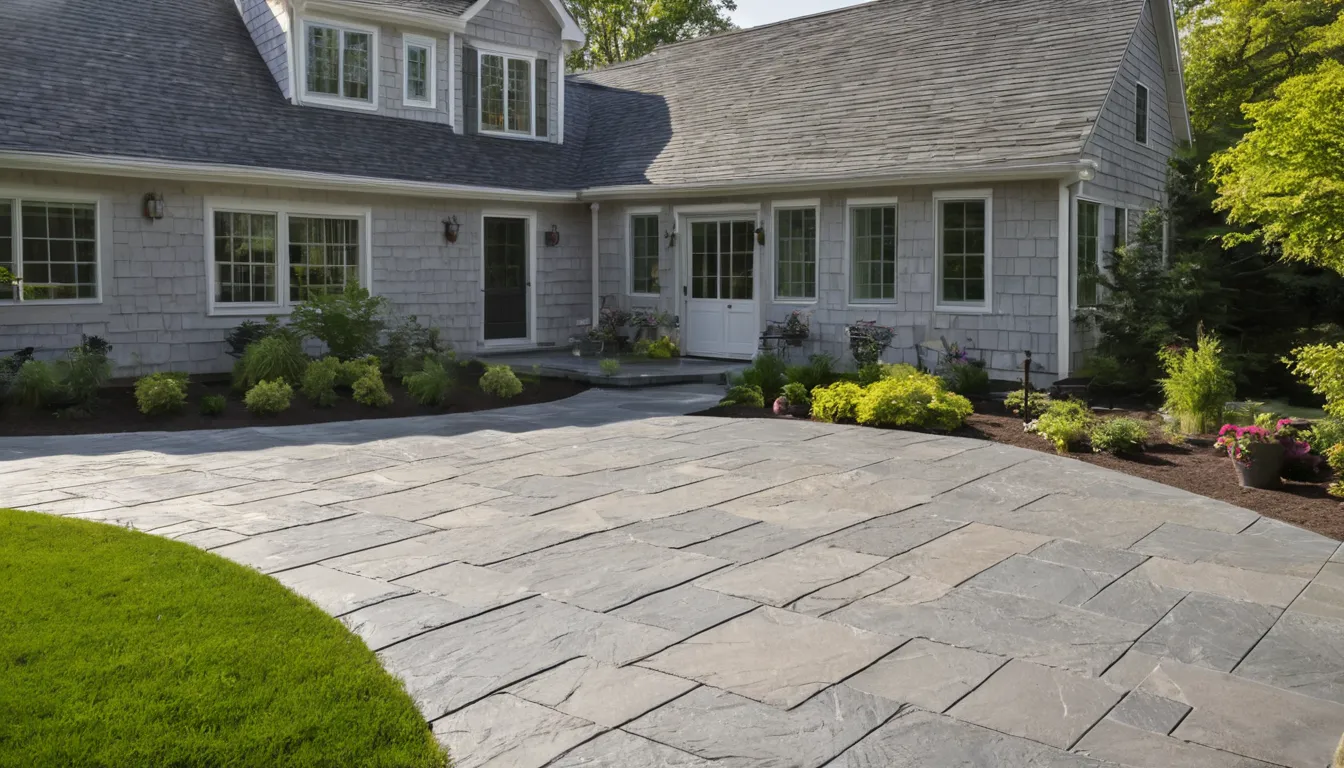
Stamped concrete is poured concrete with a pattern pressed into the top while it is still soft. It can look like slate, brick, stone or wood, and it can be colored to suit your home. Many first-timers like it because it gives a finished look in one slab.
If this is new to you, take a breath. You do not need to know the terms yet. Googleseeking Concrete is a referral service. Providers do the work. You tell us what you have in mind, and we connect you with an independent local provider in our network. You can ask questions, compare, and decide at your own pace.
Timing comes first with stamped concrete
Stamped concrete is picky about weather. It needs mild days to be poured, colored and sealed well. Where winters are cold and snowy, that window is short.
If you want a stamped surface this year, start asking early. Providers often fill their calendars as the warm weeks go by. Request a callback to check provider availability.
The plain version, for first-timers
Stamped concrete is regular poured concrete with a pattern pressed into the top. It can look like stone, brick, slate or wood. You get the look without laying thousands of separate pieces.
Pros call this kind of work concrete flatwork. That just means slabs, walks, patios and other flat surfaces.
How stamped concrete is made
Prep and pour
The provider clears the area and builds a firm gravel base. Forms hold the edges in place. Then the concrete is poured and leveled.
Color and release
Color can be mixed into the concrete, dusted on the wet surface, or both. A release powder keeps the stamps from sticking.
Pressing the pattern
Large rubber mats are pressed into the surface by hand. Timing matters. If the concrete is too soft or too hard, the pattern will not look right.
Cutting and sealing
After the slab firms up, joints are cut so it can move without random cracks. A sealer goes on last. It protects the color and helps shed water.
Why cold climates call for extra care
Water gets into concrete, freezes, and expands. Then it thaws and does it all again. Over the years, that freeze-thaw cycle can flake a surface.
Ask the provider about the concrete mix, the base, drainage and the sealer. These details matter more than the pattern. Ask, too, how snow shovels and de-icing salt will affect the finish.
Look at what sits under and beside the slab
Older homes with stone or block foundations can have damp spots or yards that slope toward the house. A new patio will not fix that.
If you see wall cracks or soggy soil near the foundation, foundation repair experts may need to look first. If an old slab is cracked, concrete driveway repair is a different job from a stamped finish. A provider can help you sort out which path fits.
Where stamped concrete works well
Stamped concrete patios
Stamped concrete patios are the most common request. They suit back yards at Cape Cod style homes and small city lots, where one clean slab makes a usable space.
Walks, steps and pool surrounds
Front walks, stoops, garden paths and pool decks also take stamping well. Texture can add grip when wet. Ask about a slip-resistant sealer.
Popular patterns and colors
Slate, random stone, brick herringbone and wood plank are common picks. Gray, tan, charcoal and warm brown blend with most siding and older brick.
Many homeowners choose a main color and a darker accent for depth. Ask to see samples outside in daylight. Colors look different there than under store lights.
Stamped concrete or pavers?
Pavers are separate pieces. If one sinks, it can be lifted and reset. A stamped slab is one piece, so there are fewer joints for weeds, but a crack is harder to hide.
Both can handle weather when built on a good base. Costs often land in a similar range. Think about how much upkeep you want, then ask a provider to explain both.
How long the job takes
Many patios take a few working days spread over a week or so. Then the slab needs time to cure.
Light foot traffic is often fine after a few days. Furniture and heavier use usually wait longer. Full strength takes about a month. Rain or cold can shift the dates, so ask for the schedule in writing.
Caring for your stamped surface
- Sweep and rinse it often so grit does not scratch the sealer.
- Plan to reseal every couple of years, or as the provider advises.
- Use a plastic shovel in winter and ask which de-icers are safe.
- Wipe up oil, grease and spills soon.
Choosing a provider
Ask to see photos of past stamped work. Ask how they prepare the base, place the joints and seal the surface. Get a written quote, and compare two or three if you can.
Also ask about any license or insurance your area requires. Check it yourself before you sign.
How Googleseeking Concrete fits in
Googleseeking Concrete is a referral service. Providers do the work. You tell us about your project, and you are connected with an independent local provider in our network. There is no pressure to say yes.
Ask, then decide. Request a callback when you are ready to talk it through.
What's Included
Pattern Choices
Talk through stone, brick, slate or wood looks and see which suits your home.
Color and Finish Options
Learn how color is added and which sealers give the finish you want.
Base and Joint Planning
Providers explain the gravel base, control joints and drainage that help the slab last.
Written Project Estimates
Request an estimate that lists the area, materials, schedule and sealing in plain words.
What Stamped Concrete Typically Costs
Prices vary a lot by region, size, pattern and site prep. These are typical U.S. ranges only, so ask each provider for a written quote that fits your yard.
| Item | Typical range | Notes |
|---|---|---|
| Basic stamped slab | $12 – $18 per sq ft | One color and a simple pattern |
| Detailed pattern, two-tone color | $15 – $25 per sq ft | More labor and skill needed |
| Small stamped patio (about 200 sq ft) | $2,400 – $5,000 | Depends on shape and access |
| Stamped border on a plain slab | $1,000 – $3,000 | A lower-cost way to add detail |
| Sealer and resealing | $1 – $3 per sq ft | Needed every couple of years |
| Old slab removal and base prep | $2 – $6 per sq ft | Higher with poor drainage or soil |
How It Works
Share Your Idea
Tell us the size, the look you like and when you hope to start.
Get Connected
You are matched with an independent local provider in our network.
Review the Estimate
The provider explains the plan, base, pattern, sealing and price in writing.
Decide Your Next Step
Say yes, ask more questions, or pass. There is no obligation.
Why Call Googleseeking Concrete
Clear Referral Model
You learn right away that providers do the work, not Googleseeking Concrete.
Local Providers
Independent pros who know the weather and housing near you.
No Pressure
Ask your questions and take your time before choosing anyone.
Simple Start
Share a few details once instead of calling around yourself.
Other Services
Need residential stamped concrete in Newton?
Planning a new driveway or patio? Request a callback to ask about provider availability, or send a request and let a local provider reach out. No obligation.
No obligationResidential Stamped Concrete FAQ
- How long does stamped concrete last?
- With a good base, proper joints and regular resealing, stamped concrete can last many years. Cold climates are tougher on it, so ask providers how they prepare for freeze-thaw and what upkeep to expect.
- Is stamped concrete slippery in snow and rain?
- Smooth sealers can get slick when wet. Many providers add a slip-resistant additive to the sealer, and textured patterns help too. Ask about this up front, and use a plastic shovel in winter to protect the surface.
- Can stamped concrete be put over an old patio?
- Sometimes a thin overlay can be stamped over a sound slab. Cracked or heaving concrete usually needs to be removed first. A local provider can look at your slab and explain which option makes sense.
Get in touch
Planning a new driveway or patio? Request a callback to ask about provider availability, or send a request and let a local provider reach out. No obligation.
No obligation