New Concrete Driveways for Newton Homeowners
Talk through your driveway plans
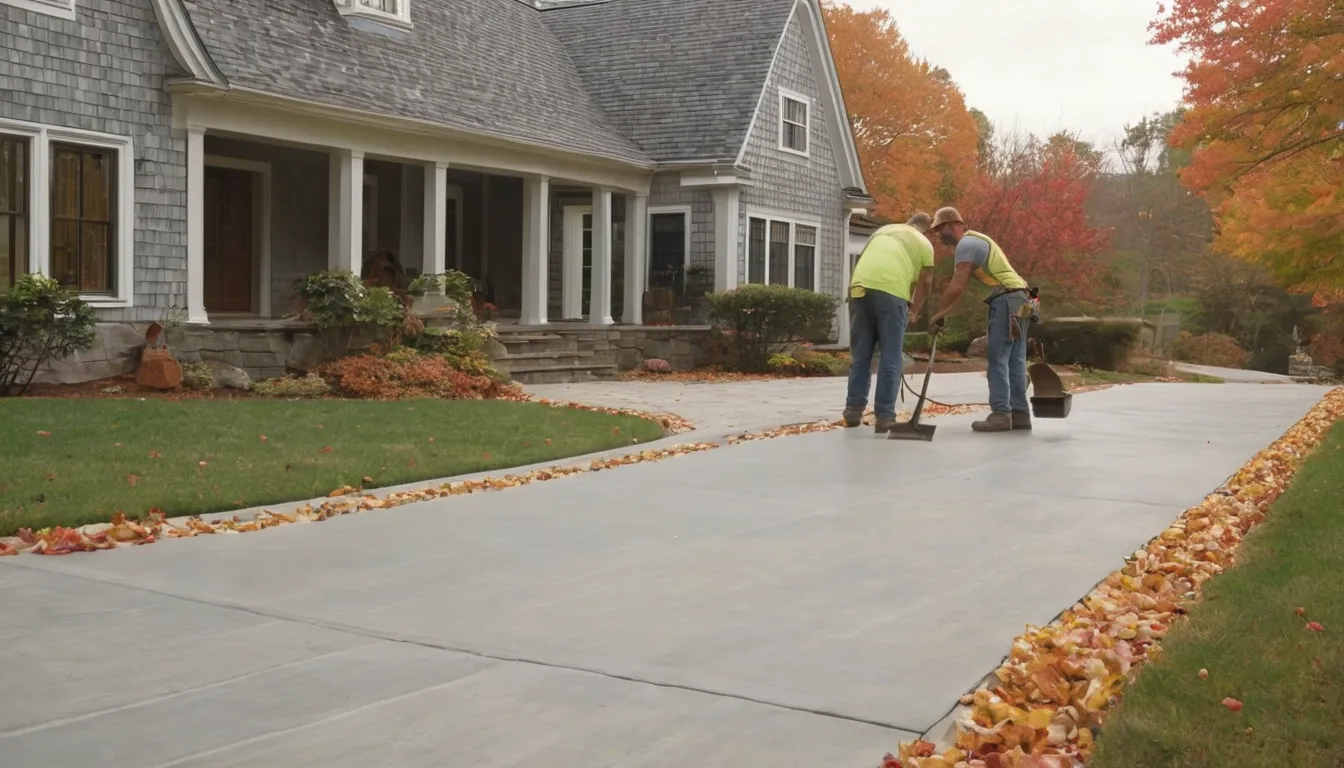
A driveway takes a beating. Cold winters, road salt, heavy cars and years of frost and thaw all leave their mark. If yours is cracked, sunken or flaking, a full replacement may be easier to live with than endless patching.
Googleseeking Concrete is a referral service for homeowners planning new concrete work. Providers do the work, not us. You tell us what you have in mind, and we connect you with an independent local provider in our network. You ask your questions, you hear the options, and you decide in your own time. There is no pressure and no obligation.
Is It Time for a New Driveway?
Maybe you are looking at a cracked slab and wondering what comes next. Take a breath. Replacing a driveway sounds like a huge job, but it follows a clear path. You do not need to know the jargon first.
This page walks you through the signs, the steps and the choices, the way a neighbor might explain it over the fence.
Signs Your Driveway Is Past Patching
Most people start by searching for concrete driveway repair. That is a natural first move. But some damage is too widespread for a patch to hold. Here is what to look for.
Cracks That Keep Returning
A thin hairline crack is common and often harmless. Wide cracks, or ones you have filled more than once, tell a different story. They usually mean the ground under the slab has shifted.
Sunken or Tilted Sections
When part of a slab drops, water collects there. In winter that water turns to ice. It becomes a slip and trip spot, and it tends to get worse each season.
Flaking, Pitted Surface
Cold, snowy winters and road salt wear away the top layer. If the surface looks scaly or the small stones show through, the concrete is wearing out.
Water Running Toward the House
This one matters most on older homes with full basements and stone or block foundations. If runoff heads toward the wall, mention it early. Drainage trouble near a foundation can call for foundation repair experts, which is a different job from a new driveway. A good provider will help you tell the two apart.
What a New Driveway Project Includes
The job is more than a pour. Knowing the steps helps you read a quote with confidence.
- Removing and hauling away the old slab
- Grading the ground and adding a compacted gravel base
- Setting wooden forms for the edges
- Placing steel bars or mesh for strength
- Pouring, leveling and finishing the concrete
- Cutting joints so cracks form in neat lines
- Curing the slab so it hardens slowly
This kind of concrete flatwork is detailed, and the base work you cannot see matters as much as the surface you can.
Choosing Size, Thickness and Finish
Size
Measure how many cars you park and how wide you like to open a door. A wider spot near the garage or a small turnaround can make daily life easier. Extra width adds to the price, so decide what you will really use.
Thickness
Four inches is a common thickness for cars. Heavier trucks, delivery vehicles or campers may call for five or six. Ask the provider what they suggest for your soil and your vehicles.
Finish
In snow country, grip counts. A light broom texture gives your tires and your boots something to hold. Color and patterns are also possible, but plain concrete is the simple starting point.
Permits and the Street Apron
The apron is the section where your driveway meets the street. It often sits on public land, so towns usually have their own rules for width, thickness and who may work on it.
Some places also ask for a permit for the whole driveway. Providers in our network often know the local steps and can explain what to expect. Still, check with your town office. Ask, then decide.
Timing Around Our Weather
Concrete needs mild temperatures to cure well. Spring thaw leaves the ground soft and wet. Late fall can bring cold nights that slow things down. Coastal storms can interrupt a pour as well.
That is why many homeowners ask about scheduling early. Request a callback to check provider availability for the season you have in mind.
Choosing a Concrete Contractor
You will likely meet a few providers, so a short list of questions helps.
- Do you carry the insurance your state expects?
- What base and thickness do you plan for my driveway?
- How do you handle drainage and slope?
- Who deals with the permit?
- Can I have the quote in writing, with what is included?
A clear, patient answer is a good sign. Feeling rushed is not.
How Googleseeking Concrete Fits In
Here is the plain truth. Googleseeking Concrete does not pour, finish or repair anything. It is a referral service. You share your plans, and your request goes to an independent local provider in the network. That provider contacts you, and any agreement is between the two of you.
You are not signing up for anything by asking. There is no obligation.
After the Pour
The First Week
Fresh concrete looks hard before it is ready. Keep cars off for the time your provider gives you, often about a week. Keep foot traffic, pets and bikes off the first few days.
The First Winter
Go easy on de-icing salt in the first season. Use sand for grip or shovel gently with a plastic blade.
Sealing and Care
Many providers suggest sealing the surface once the concrete has cured. A sealer helps shed water and salt. Ask what they recommend and when.
Ready for the Next Step?
You do not need every answer today. Share what you know, and a provider can fill in the rest.
What's Included
Old Slab Removal and Hauling
Providers break up the worn concrete, load it out and clear the space for new work.
Grading and Base
The ground is shaped and a gravel base is packed down to carry weight.
Forms and Reinforcement
Edges are framed and steel is set inside to help the slab hold together.
Pour, Finish and Curing
Concrete is poured, smoothed, textured and left to harden at a steady pace.
Typical Costs for a New Driveway
Prices vary a lot by size, soil, access and local rates. These are typical U.S. ranges only, so ask for a written quote.
| Item | Typical range | Notes |
|---|---|---|
| Plain concrete driveway | $6 – $12 per sq ft | Basic broom finish, standard thickness |
| One-car driveway | $1,500 – $3,500 | Roughly 200 square feet |
| Two-car driveway | $3,000 – $7,000 | Roughly 400 square feet |
| Old slab removal | $1 – $3 per sq ft | Depends on thickness and hauling |
| Gravel base and grading | $1 – $3 per sq ft | Poor soil or slopes cost more |
| Steel bar or mesh | $0.50 – $1.50 per sq ft | Adds strength against cracking |
How It Works
Share Your Plans
Tell us about your home, your driveway and what you would like it to be.
Get Matched With a Provider
Your request goes to an independent local provider in the network who may reach out.
Review the Written Quote
The provider looks at the site and explains the work, the price and the timing.
Decide in Your Own Time
You choose whether to move forward. Saying no or waiting is perfectly fine.
Why Call Googleseeking Concrete
Ask, Then Decide
You can talk to a provider and weigh your options before agreeing to anything at all.
Local Providers
Providers in our network work near you, so they know your soil, weather and town rules.
Plain Answers
Questions are welcome here. Expect simple explanations without technical talk or sales pressure.
Clear Roles
Providers do the work. Googleseeking Concrete only connects you, and says so openly.
Other Services
Need concrete driveways in Newton?
Planning a new driveway or patio? Request a callback to ask about provider availability, or send a request and let a local provider reach out. No obligation.
No obligationConcrete Driveways FAQ
- How long does a concrete driveway last?
- A well-built concrete driveway often lasts decades. Soil, drainage, thickness, road salt and winter frost all play a part. Good base work and sealing can add years. A provider can give you a realistic estimate.
- Can I replace just part of my driveway?
- Sometimes. If the damage is limited and the rest of the slab is sound, a provider may replace one section. If cracks and sinking are widespread, a full replacement can hold up better and look more even.
- Do I need a permit for a new concrete driveway?
- Often yes, especially for the street apron. Rules vary by town. Providers can usually explain the local steps, but it is wise to check with your town office before the work starts.
Get in touch
Planning a new driveway or patio? Request a callback to ask about provider availability, or send a request and let a local provider reach out. No obligation.
No obligation